
Psycho-Sleuth Selection Rules: Logic Church Trial Explained
Psycho-Sleuth Selection rules from official sources—the Logic Church (Li), thirteen Afflicted Ones, and the murder-without-exposure godhood law.
FAQ
What is the Selection in Psycho-Sleuth?
What is the core rule of the Selection?
Who participates in the Selection?
Does the Logic Church control the world?
Are voting or execution rules publicly documented?
What is the Selection?
The Selection is the Logic Church’s death game framework in Psycho-Sleuth: thirteen Afflicted Ones—people with rare cognitive disorders—are summoned into a ritual where murder and deduction decide who survives. Official English uses both Logic Church (events, fan campaigns) and the cult name “Li” on the Steam store page, which says Li has seized control of the world and now runs a Twisted Trial of God.
You play as an investigator trapped inside that ritual, parsing crimes where perception itself is a weapon. The story spans five chapters with roughly twenty hours of reading-heavy gameplay according to the launch streaming guidelines. Understanding the Selection explains why every case feeds into Debate Mode and why Pathosync disorders matter socially—not just cosmetically.
April 2026 dev logs note the team was still pushing Chapter 4 content toward completion, which underscores that the Selection arc is a single continuous campaign—not episodic DLC. Streaming guidelines also confirm no platform restrictions on broadcasting any chapter, though the team politely asks creators to hide late-game VODs briefly so newcomers can discover twists themselves.
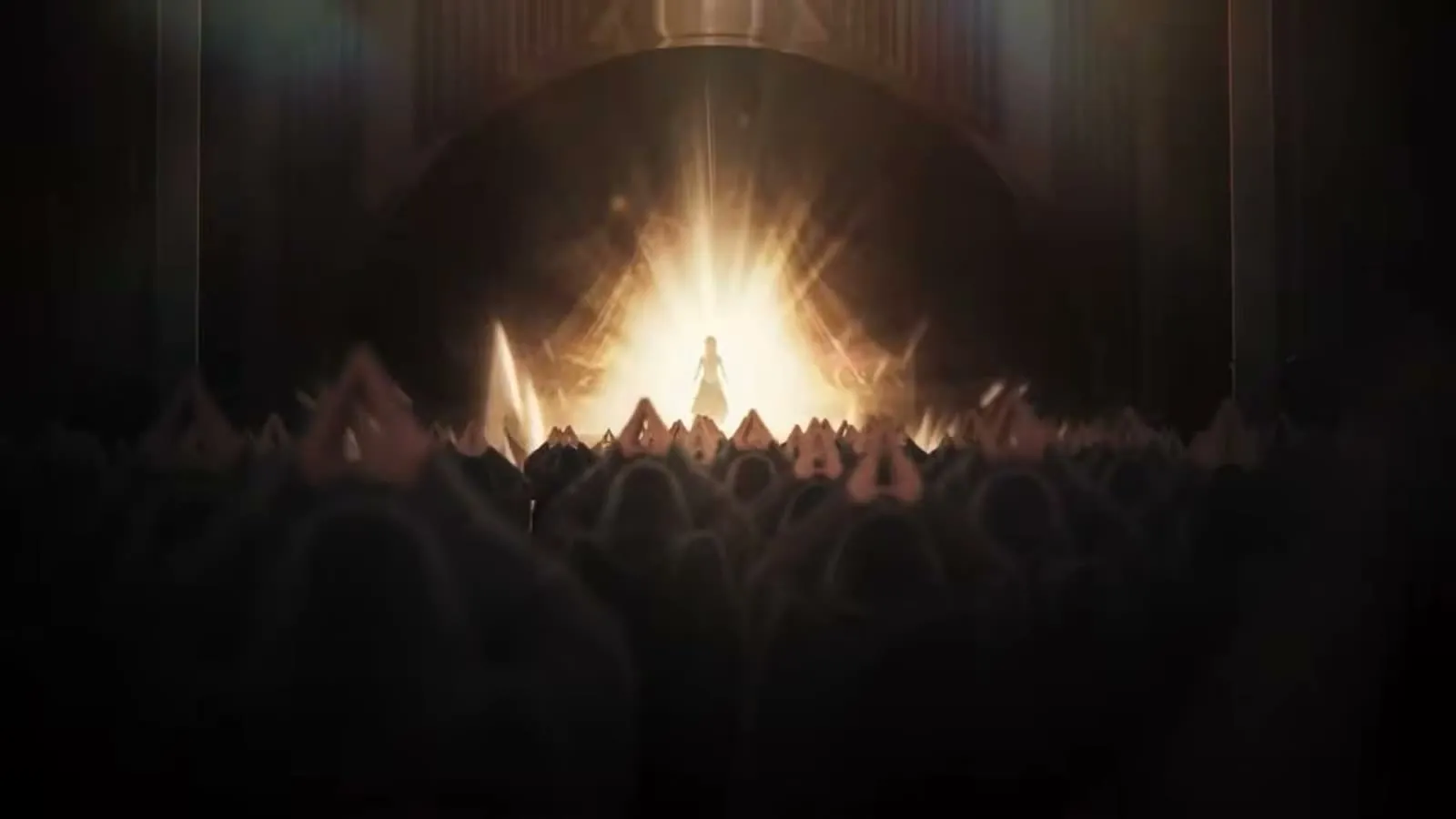
What is the Logic Church’s stated law?
Steam’s English marketing quotes the rule verbatim:
Commit murder without being exposed, and you shall ascend to godhood.
An October 2025 Steam Next Fest announcement restates the premise in plainer language: thirteen individuals suffering different cognitive disorders must play a deadly game where “If you can kill without being found out, you can become a god.” These lines define the win condition for an unseen killer—not for the detective. Your role is to untangle cognitive illusions and expose the mastermind, as the store page asks.
The law implies several design pillars without naming hidden mechanics:
- Murder is expected, not an accident, which is why investigations always follow a body drop inside the church complex.
- Exposure means social and logical proof, which maps to clue gathering, debates, and reconstructions rather than FPS combat (Windows-only adventure/visual novel on Steam).
- Godhood is the cult’s promised reward; the marketing tone treats it as blasphemous ambition, not a cheerful power fantasy.
Detectives and killers therefore chase opposite goals under the same scripture. Your win state is exposure—matching clues to contradictions until the Logic Church accepts your reconstruction. The hidden killer’s win state is ascension without exposure, leaning on Pathosync chaos to muddy witness memory. When marketing asks whether you can “expose the true mastermind,” it is framing the long arc across all five chapters, not a single afternoon case.
Who are the Afflicted Ones?
Afflicted Ones are the thirteen contestants named on Steam. Each carries:
- A cognitive disorder rooted in real psychiatric conditions (handled as fantasy).
- An Afflicted Power / Pathosync that warps crime scenes and testimony.
Steam’s short description adds a critical twist: disorders are contagious, so warped perception spreads among the group. That is why witnesses can sincerely describe incompatible facts, and why the killer can hide among “logical” lies.
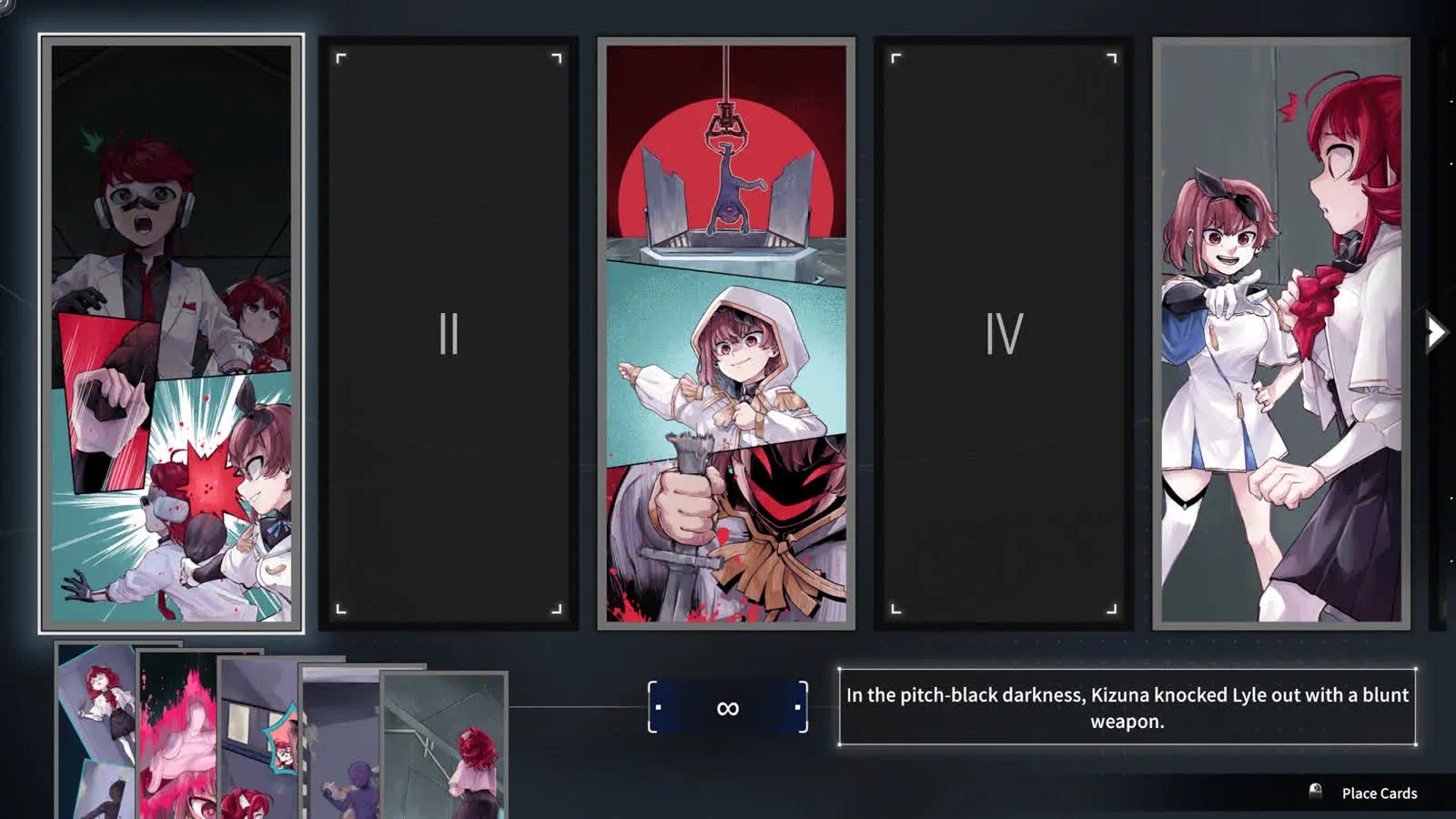
Cast pages on this wiki—such as Lyle, Lena, and Fayse—summarize individuals once verified bios exist. A November 2026 official fan-creation event lists eligible characters including Eirys, Raze, Silas, Cotari, Hyper, Elian, Kizuna, Alice, The Proxy, and Believers.
How does the Selection connect to gameplay?
First-party materials describe player-facing systems, not a hidden rulebook PDF. The verified loop looks like this:
- Investigation and exploration after a murder (demo marketing, 2025-09-25).
- Debate Mode, where you accept or refute each statement with clues (Steam feature header).
- Truth Reconstruction Mode, referenced in demo patch notes when Thermite extended its timer.
When a culprit is finally proved, Steam warns they face punishment shaped by their own cognitive disorder—linking Selection justice back to Pathosync without showing specific executions here.
Famitsu’s quoted review line on Steam adds that distortions can interfere with deductions and even controls, which supports the idea that the Selection warps the UI—not just dialogue trees.
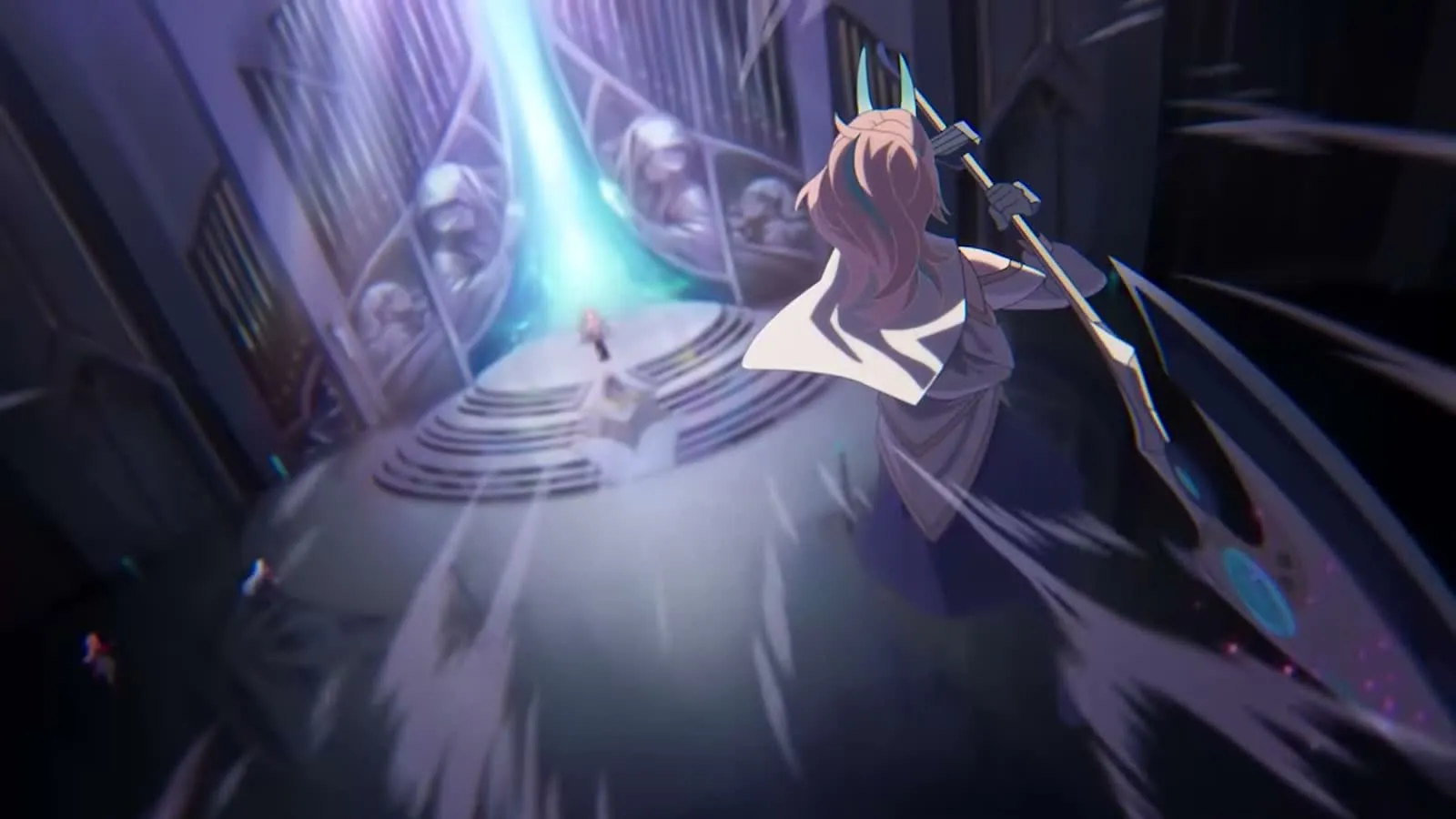
Screenshots: official Psycho-Sleuth Steam store images and Thermite Games trailer frames, © PHOSEPO / Thermite Games.
What rules are not confirmed publicly?
Thermite has not posted exhaustive charts for:
- Nightly vote formats, execution minigames, or immunity roles.
- How the killer is chosen each cycle.
- Whether failures trigger game overs or branch endings.
Community wikis and single review blogs sometimes import werewolf or Danganronpa comparisons; those can help expectations but are not copied here without dual verification. If future Steam patches or developer posts document numeric rules, this page will expand.
Why we omit fan-made rule tables
Accuracy beats completeness for a launch-week wiki. One incorrect “Selection phase” chart spreads faster than a missing paragraph. Until PHOSEPO or two independent reviews align on a mechanic, we keep the public record limited to Steam quotes and patch notes.
How should new players prepare?
Read the how-to-play guide for controls (including debate hotkeys) and try the free demo to see Chapter 1 plus the Chapter 2 mystery setup inside the church hub. If the tone fits, check Is Psycho-Sleuth worth it? before buying on Steam. Ongoing case help lives under cases as walkthroughs publish.
Related Articles
cases
Psycho-Sleuth Chapter 1 Walkthrough: Case One (Spoiler-Gated)
Psycho-Sleuth chapter 1 walkthrough hub: how Case One works in the Selection, demo vs full release, and spoiler-free tips—answers behind gates.
characters
Fayse — Psycho-Sleuth Prosopagnosia & Face-Blind Pathosync
Fayse is a Psycho-Sleuth Afflicted One tied to prosopagnosia in reviews—faces blur into anonymity per Steam’s store hook. Spoiler-light character profile.
characters
Kizuna — Psycho-Sleuth Spatial Neglect Character Profile
Kizuna is a Selection participant tied to spatial neglect in Psycho-Sleuth—left-side perception gaps that warp evidence. Spoiler-light profile plus gated case links.
Was this helpful?
Thanks for the feedback!