
Psycho-Sleuth vs Danganronpa: Similarities and Differences
Psycho-Sleuth vs Danganronpa—death-game trials, debate mechanics, and Pathosync twists. Fan comparison with cited reviews; pick the game that fits you.
FAQ
Is Psycho-Sleuth like Danganronpa?
Can I play Psycho-Sleuth if I never played Danganronpa?
Which game is scarier or more violent?
Which game has more gameplay variety?
Which should I buy first?
Is Psycho-Sleuth like Danganronpa?
Both are killing-game visual novels built around investigation and structured refutation trials, but Psycho-Sleuth swaps school rules for contagious cognitive disorders. Independent reviewers frequently name Danganronpa when describing Psycho-Sleuth, so expecting “class trial energy” is reasonable. The important distinction is what warps each case: Danganronpa’s famous bullet-refute loop is built around school executions and Monokuma’s rules, while Psycho-Sleuth builds cases around contagious cognitive disorders (Pathosync / Afflicted Powers) inside the Logic Church Selection.
This page is fan analysis, not a score competition. We compare verifiable genre facts and attribute reviewer observations—primarily NookGaming and MonsterVine—without copying their prose.
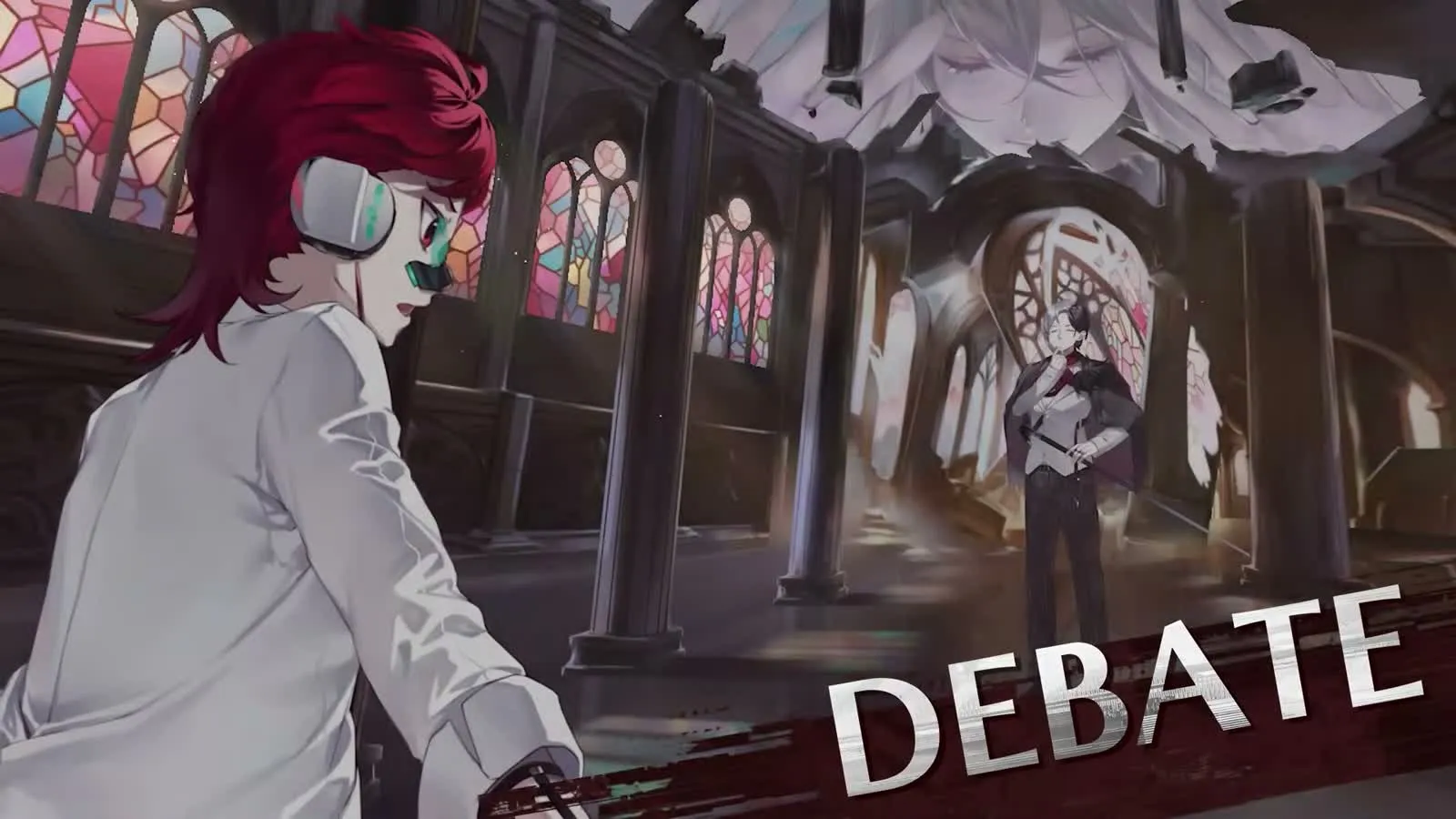
What do the two games have in common?
| Shared beat | Psycho-Sleuth (sourced) | Danganronpa (widely known baseline) |
|---|---|---|
| Killing game premise | Thirteen Afflicted Ones in a cult-run Selection; murder without exposure ties to “godhood” on the Steam store page | Students forced into mutual killing; class trials determine execution |
| Investigation → trial flow | Demo/marketing: investigation, exploration, debate-driven deduction | Free-time investigation then class trial |
| Debate/refute gameplay | Debate Mode: accept or strike statements with clues; timed pressure on Steam | Non-stop debate / rebuttal minigames with evidence bullets |
| Timeline reconstruction | NookGaming notes a sequence-of-events comic after trials, likened to Danganronpa | Class trials include similar “paint the timeline” beats in several entries |
| Large casts with comedic and dark swings | MonsterVine highlights comedic beats plus dark turns; NookGaming mentions over-the-top humor compared to Danganronpa’s tone | Ensemble humor contrasted with murder |
| Visual-novel presentation | Five-chapter VN with Live2D on Steam | VN + 3D investigation in mainline titles |
Where does Psycho-Sleuth diverge?
| Differentiator | What official or review sources say |
|---|---|
| Pathosync disorders | Steam examples include OCD that forbids lying, spatial neglect erasing “left-side” evidence, and prosopagnosia anonymizing faces—mechanics tied to deduction, not just flavor text |
| Werewolf-style roles | MonsterVine describes rounds patterned after social-deduction Werewolf, with rotating special roles that change each chapter’s dynamics |
| Logic Church / “Li” cult | Store fiction: a cult named “Li” runs the Selection—tone is occult dystopia rather than academy satire |
| Psychological horror emphasis | Japanese preview coverage quoted on Steam (4Gamer, Famitsu) stresses distorted cognition affecting controls and deductions, not only dialogue |
| Maturity of gore | Official Streaming Guidelines: graphic gore on by default with a Gore Display setting—NookGaming calls Psycho-Sleuth “deliberately gruesome” versus Danganronpa’s stylized executions |
| Scope | Single five-chapter PC story (~20 hours official estimate) vs a multi-game Danganronpa franchise with spin-offs |
Psycho-Sleuth is not a mod or sequel; no cross-story knowledge transfers.
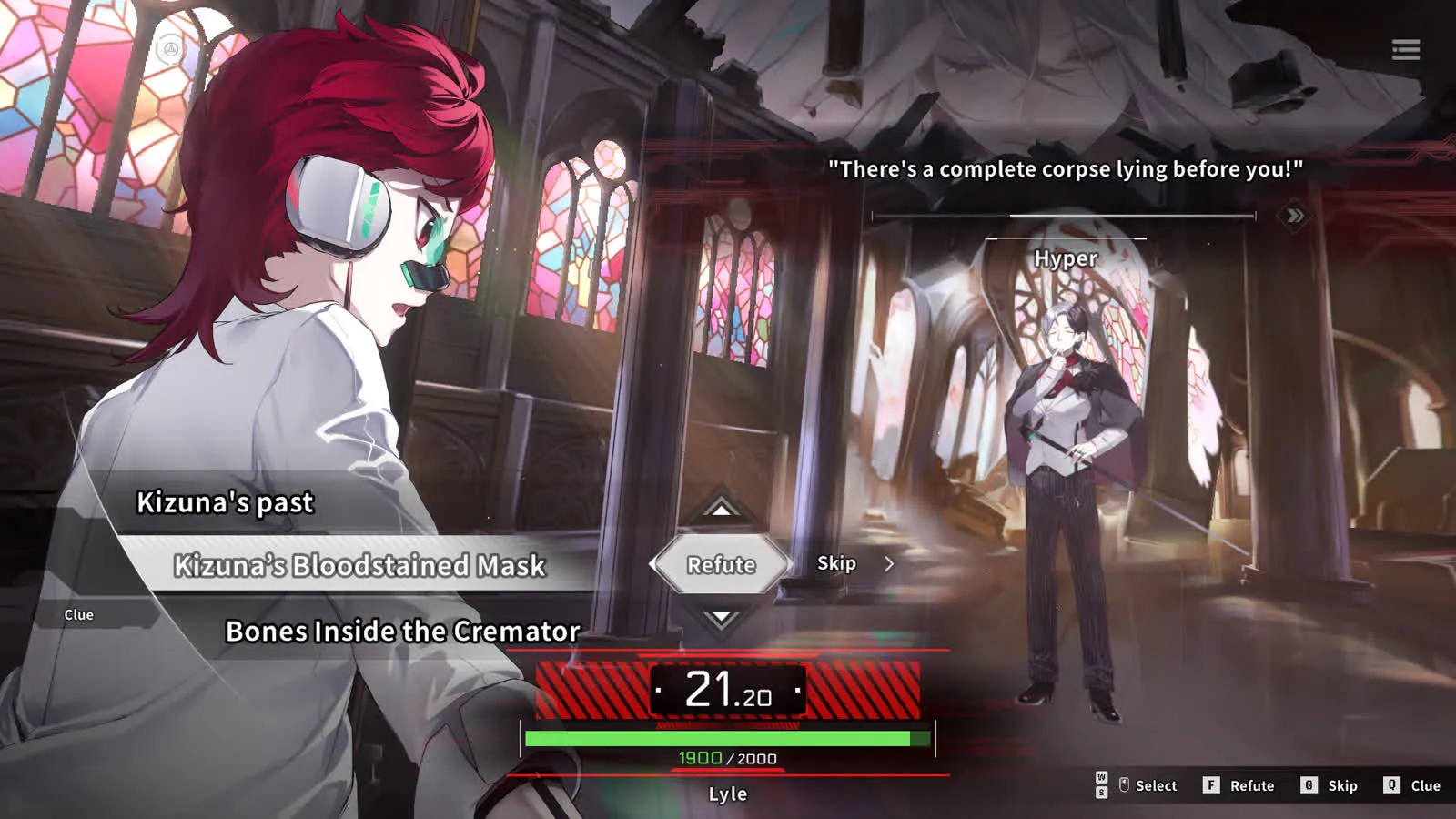
Which game should you pick?
Use a preference check—not a “better game” ranking:
| If you… | Lean toward… |
|---|---|
| Want the genre’s most famous reference point and years of sequels | Danganronpa (start with the first mainline entry your platform offers) |
| Care more about mental-disorder mechanics affecting evidence and UI | Psycho-Sleuth — read Pathosync explained |
| Prefer schoolyard punk aesthetics and mascot antagonists | Danganronpa |
| Prefer cult dystopia, Afflicted Ones, and Selection lore | Psycho-Sleuth — The Selection explained |
| Are unsure about trial pacing | Free Psycho-Sleuth demo (demo guide) before buying either franchise entry |
| Need portable “Verified” Deck comfort | Re-check Steam Deck status—Valve rated Psycho-Sleuth Unsupported on 2026-11-06 despite developer handheld notes |

Screenshots: official Psycho-Sleuth Steam store images and Thermite Games trailer frames, © PHOSEPO / Thermite Games.
How does this affect “worth it”?
If Danganronpa-like structure feels tired, NookGaming’s critique suggests Psycho-Sleuth may frustrate you early even though Pathosync adds fresh case logic later. If you love that structure and only want a new cast, MonsterVine’s “easy recommendation” line may match you better—see our full worth-it summary with Metacritic and Steam snapshots dated 2026-11-06.
Where should you go next?
Learn the loop in how to play, plan hours in how long to beat, and compare launch pricing in editions and DLC. Character disorder context starts with cast pages like Lyle and Lena on the characters hub.
Related Articles
cases
Psycho-Sleuth Chapter 1 Walkthrough: Case One (Spoiler-Gated)
Psycho-Sleuth chapter 1 walkthrough hub: how Case One works in the Selection, demo vs full release, and spoiler-free tips—answers behind gates.
characters
Fayse — Psycho-Sleuth Prosopagnosia & Face-Blind Pathosync
Fayse is a Psycho-Sleuth Afflicted One tied to prosopagnosia in reviews—faces blur into anonymity per Steam’s store hook. Spoiler-light character profile.
characters
Kizuna — Psycho-Sleuth Spatial Neglect Character Profile
Kizuna is a Selection participant tied to spatial neglect in Psycho-Sleuth—left-side perception gaps that warp evidence. Spoiler-light profile plus gated case links.
Was this helpful?
Thanks for the feedback!