
Psycho-Sleuth Pathosync Explained: Afflicted Powers and Disorders
Psycho-Sleuth Pathosync guide—what Afflicted Powers are, official OCD and neglect examples, and how distorted cognition drives each case.
FAQ
What is Pathosync in Psycho-Sleuth?
Are Pathosync disorders contagious?
Which Pathosync examples does the store page confirm?
How many Pathosyncs exist?
Do Pathosyncs change gameplay controls?
What is Pathosync?
Pathosync is the developer-facing word for what the Steam store page calls an Afflicted Power: a cognitive disorder that has awakened into a supernatural rule inside the Selection. The November 2026 fan creation event even asks fans to imagine what Pathosync their original character would manifest if they joined the Logic Church—cementing the term in official English copy alongside “Afflicted Power.”
Pathosync is not a skill tree you level up; it ties each disorder to the way you investigate and debate. Each of the thirteen Afflicted Ones carries a real-world psychiatric condition that becomes a power with courtroom consequences: testimony may be literally true but misleading, evidence may vanish from your UI, or faces may blur until you cannot trust eyewitness IDs. Because these distortions spread, the killer can hide inside a web of sincere-but-warped statements—exactly the premise of Psycho-Sleuth debates.
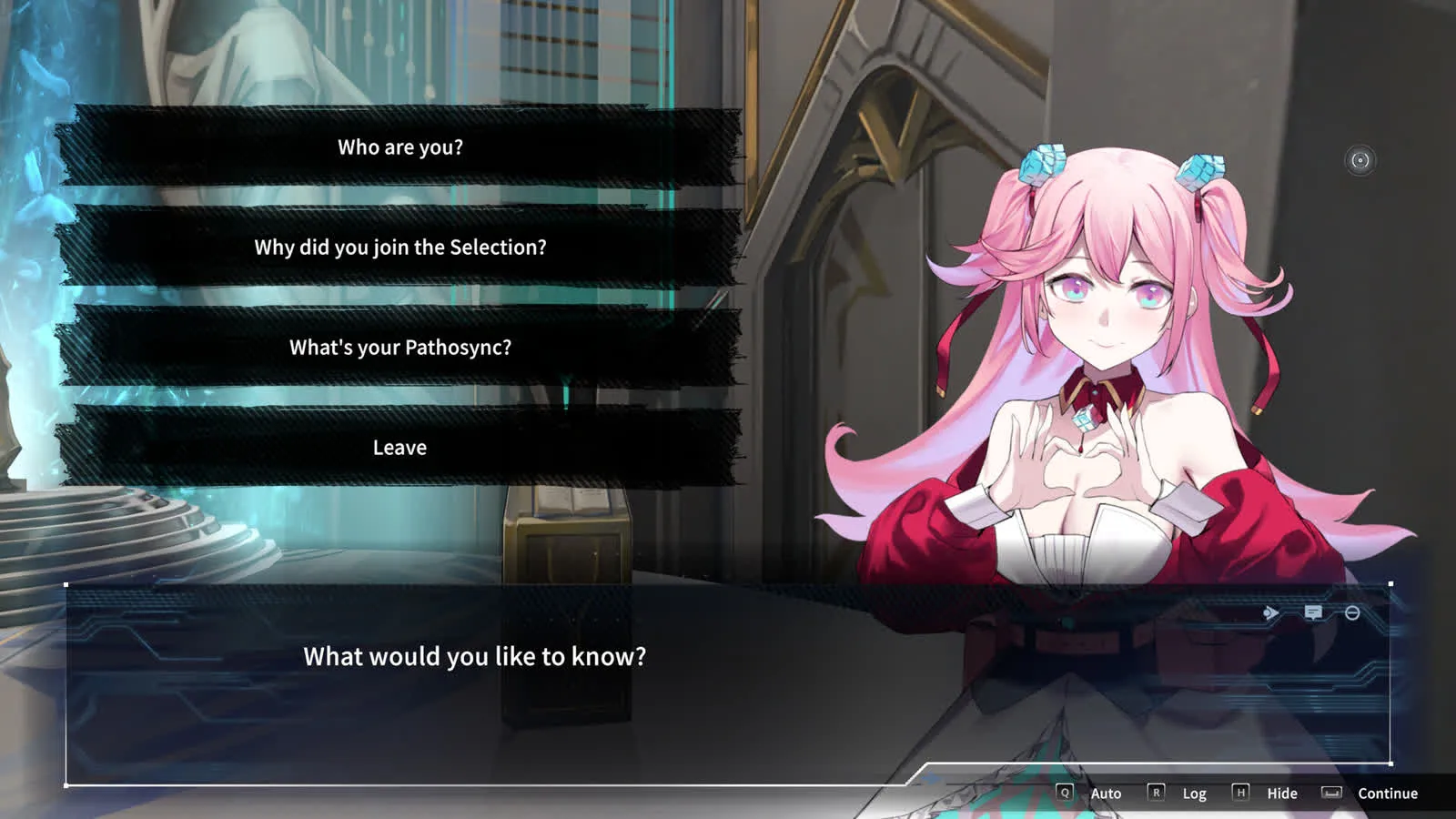
How does Pathosync relate to Afflicted Powers?
Steam marketing uses both phrases interchangeably:
- Store headings say each character has a unique Afflicted Power.
- Community posts and the Pathosync Awakening Project use Pathosync when talking about awakened disorders.
No official page lists a separate tier system (Pathosync versus Afflicted Power). For wiki purposes, treat Pathosync = Afflicted Power unless future patches split the terms. Gameplay-wise, powers manifest during murders, investigations, and Debate Mode, where you must decide whether a line is acceptable or refutable given how a disorder reshaped the scene.
Which official examples are safe to discuss without spoilers?
The English store page names three disorders with clear mechanical hooks. These are marketing-safe because Valve’s public description already spoils the types of twists—not the culprits.
OCD and forced truth
Steam writes that OCD forces absolute truth where no one can lie. In debate terms, that means some scenes remove simple “they’re lying” solutions—you instead hunt for misdirection within honest speech (wrong emphasis, omitted context, or Pathosync side effects elsewhere). It pairs well with the game’s tagline that logic itself is twisted.
Spatial neglect and missing left-side evidence
Spatial neglect erases evidence from the left side of reality, per the store bullet. Expect investigation UI or scene composition to hide objects on one half of the screen, and expect witnesses to insist nothing was there. Your counterplay is clues that prove the neglected side existed (photos, dual-hand actions, etc.)—without naming specific case solutions here.
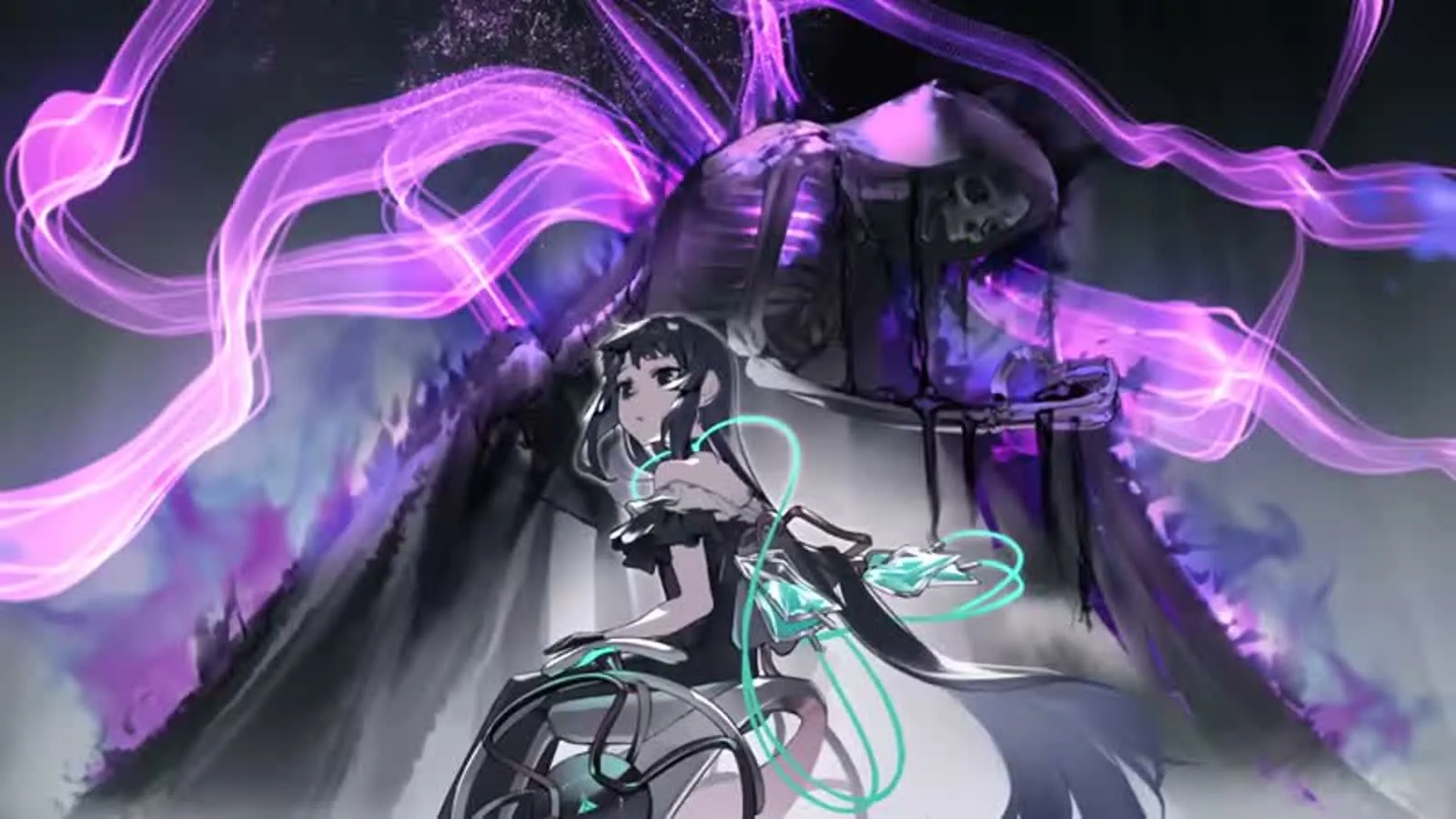
Prosopagnosia and blurred faces
Prosopagnosia blurs every face into anonymity on the store page. Identity puzzles therefore rely on voice, clothing, movement, or documents—not quick face matching. This hook shows up in marketing about corpses without faces, tying Pathosync directly to horror imagery.
Alien Limb Syndrome teaser
Under “Murders Twisted by Cognitive Disorders,” Steam asks whether a severed-limb corpse was murder or the victim’s own Alien Limb Syndrome. That question is a tone-setter: Pathosync can make self-harm indistinguishable from homicide until you reconstruct events. It is not tied to a named character in public materials, so we do not map it to a cast page here.
How do Pathosyncs shape investigations and debates?
Distorted cognition hits both narrative and systems:
- Crime scenes show impossible layouts—missing walls of evidence, unrecognizable faces, or bodies that contradict simple murder assumptions.
- Testimony may be sincere yet incompatible with physical clues, forcing Debate Mode refutes instead of social deduction alone.
- Punishments tie back to disorders: the store page says revealed culprits face punishment shaped by their own cognitive disorder, linking lore to mechanics without detailing executions (avoiding late-game spoilers).
The how-to-play guide covers investigation pacing, timed debates, and Truth Reconstruction Mode, which is where you prove a single timeline fits every Pathosync-filtered clue.

Screenshots: official Psycho-Sleuth Steam store images and Thermite Games trailer frames, © PHOSEPO / Thermite Games.
Should you memorize all thirteen Pathosyncs upfront?
Steam confirms thirteen Afflicted Ones and thirteen distinct disorders, but public marketing only details a handful. Rather than hunting datamined lists, progress chapter by chapter and let the game introduce each cast member’s condition when the story permits.
When you want character context without full spoilers, browse the characters hub—entries such as Lyle, Kizuna, and Fayse focus on verified bios and keep story spoilers out. For the religious frame that forces these powers into a death game, return to The Selection explained.
What is still unknown publicly?
PHOSEPO has not published a complete official chart matching every disorder to every Afflicted One in marketing text. Fan wikis may guess pairings; this site waits for on-screen confirmation or dual-sourced reviews before assigning powers to names. If you need mechanical practice before buying, the demo guide covers the free Chapter 1 + Chapter 2 setup where several Pathosync hooks first appear.
Related Articles
cases
Psycho-Sleuth Chapter 1 Walkthrough: Case One (Spoiler-Gated)
Psycho-Sleuth chapter 1 walkthrough hub: how Case One works in the Selection, demo vs full release, and spoiler-free tips—answers behind gates.
characters
Fayse — Psycho-Sleuth Prosopagnosia & Face-Blind Pathosync
Fayse is a Psycho-Sleuth Afflicted One tied to prosopagnosia in reviews—faces blur into anonymity per Steam’s store hook. Spoiler-light character profile.
characters
Kizuna — Psycho-Sleuth Spatial Neglect Character Profile
Kizuna is a Selection participant tied to spatial neglect in Psycho-Sleuth—left-side perception gaps that warp evidence. Spoiler-light profile plus gated case links.
Was this helpful?
Thanks for the feedback!